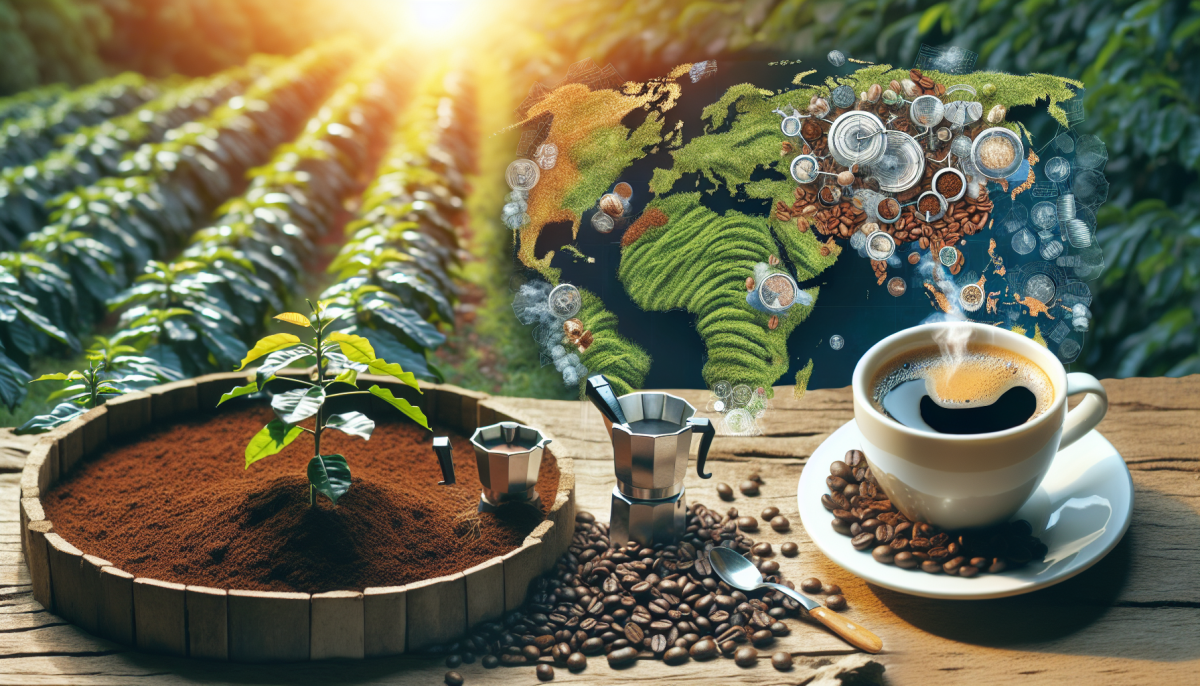
Coffee has a fascinating journey that spans centuries and continents. It all started in Ethiopia, where legend has it that a goat herder named Kaldi discovered coffee beans after noticing how energetic his goats became after munching on them. That's how our love affair with coffee began, and it quickly spread to other parts of the world.
From Ethiopia, coffee made its way to the Middle East. By the 15th century, it was being cultivated in Yemen. Coffee houses, known as q cafés, sprang up in cities like Mecca, offering a social haven for people to gather, share stories, and enjoy this delightful beverage. Imagine sipping coffee while engaging in lively discussions!
As the popularity of coffee grew, so did its journey. It reached Europe in the 16th century, where it quickly became a hit. Coffee houses emerged in places like London and Paris, becoming buzzing hubs for intellectual conversations and cultural exchange. People began to see coffee as not just a drink but a catalyst for ideas and connections.
Eventually, coffee made its way to the Americas in the 17th century, and that’s when things got really interesting. Plantations sprouted, particularly in Brazil, which is now the world’s largest producer of coffee. This surge in coffee production turned it into a global commodity, shaping economies and fueling trade networks across the globe.
Today, coffee impacts millions of lives. From farmers in Colombia to baristas in coffee shops, its global journey is a testament to its ability to bring people together. Each cup tells a story of trade, culture, and community that has shaped our world forever!
Cultural Impact of Coffee
Coffee has shaped cultures around the globe in countless ways. It has been more than just a drink; it's a social connector. Think about it: those coffee shop hangouts are often where friendships spark and ideas brew. Whether it’s the local diner or a trendy café, coffee is the backdrop for meetings, conversations, and creative brainstorming.
In many cultures, coffee rituals play a significant role. Take Italy, for example. Their espresso culture isn’t just about the drink; it’s a way of life. People gather around small tables, sharing laughter and stories over a quick shot of espresso. In Ethiopia, coffee ceremonies are a cherished tradition, signifying community and hospitality. The preparation and serving of coffee can take hours, creating a rich experience filled with connection.
Then there’s the impact of coffee on the economy. Coffee-growing regions depend heavily on it for income. For many countries, it’s a vital export that supports millions of farmers and workers. It’s not just in the fields, either. Coffee shops and roasteries have become booming businesses, contributing to local economies and creating jobs.
Let’s not forget the role coffee has played in shaping social movements. It fueled discussions during the Enlightenment, where ideas flourished in coffeehouses across Europe. Many significant revolutions got their early planning over a cup of joe. Coffee has been a catalyst for change, serving as a space for dialogue and activism.
Economics of Coffee Trade
Coffee isn’t just a tasty drink; it’s a huge part of the global economy. When you think about the millions of farmers growing coffee beans in countries like Brazil, Colombia, and Vietnam, it’s clear how impactful this beverage is. These farmers depend on coffee sales to support their families and communities. The coffee trade creates millions of jobs worldwide, from farming to shipping to barista work in your favorite café.
The demand for coffee keeps getting stronger. About 2.25 billion cups of coffee are consumed daily around the world! This massive appetite not only drives the market but also affects prices. When demand rises, so do the costs for farmers. This can lead to challenges, especially when climate change impacts coffee-growing regions, making it tough for farmers to keep up with demand.
Another interesting piece of the coffee trade puzzle is fair trade. Many consumers today want to know that their coffee is sourced responsibly. Fair trade practices help ensure that farmers get a fair wage, which boosts their communities and helps them invest in better farming techniques. More people are willing to pay a bit extra for this, showing that buying coffee can make a real difference.
Plus, the rise of specialty coffee shops has shaken things up. These shops focus on quality and unique flavors, making coffee a treat rather than just a daily fuel. This trend supports small-batch roasters who prioritize quality and transparency. The economics of coffee is more than just numbers; it’s about people, culture, and commitment to doing things right.
Coffee Innovations Through Time
Coffee has come a long way since its discovery. Back in the day, it was simply a drink made from roasted beans in Ethiopia. People chewed on the beans or steeped them in water, but that was just the start. As coffee spread to the Arabian Peninsula, it took on a whole new life. The first coffeehouses popped up in cities like Mecca, becoming social hubs where folks gathered to chat, debate, and enjoy their favorite brews.
Fast forward a bit, and coffee made its way to Europe. By the 17th century, coffeehouses were buzzing in cities like London, Paris, and Vienna. They weren't just places to get your caffeine fix. They became the watering holes for thinkers, artists, and politicians. Some even called them "penny universities" because for the price of a cup, you could soak up knowledge and ideas from others. It changed how people connected, sparking creativity and discussion.
The Industrial Revolution brought even more innovation. Coffee became easier to brew at home, thanks to new devices like the percolator and the drip coffee maker. Suddenly, you didn't have to visit a café every time you wanted a cup. This convenience fueled coffee's popularity and made it a staple in households around the world.
In recent years, we’ve seen a whole new wave of coffee excitement. Specialty coffees, single-origin beans, and cold brews have taken center stage. People are now not just drinking coffee; they're experiencing it. With the rise of artisanal coffee shops and brewing techniques, coffee lovers can explore unique flavors and learn about where their beans come from.